





El Coloso
Since 1977 · East · Housing estate
Today. It is a lived-in, busy neighbourhood, kept going by local shops, public transport and neighbour networks, with shortfalls in water, drainage and safety (March 2026).2
Plan your visit
- Where
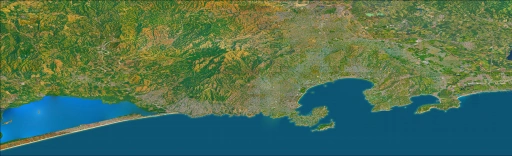
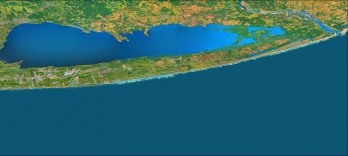
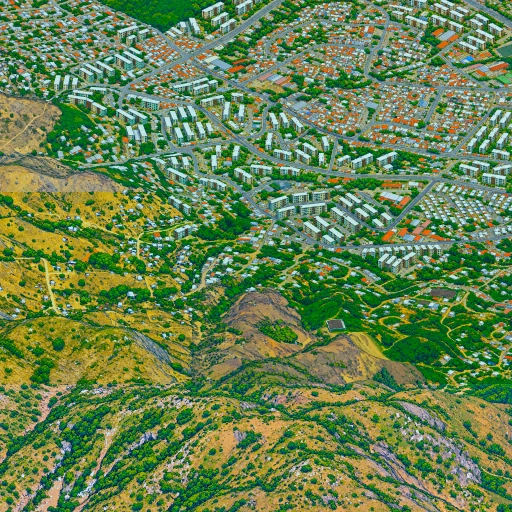
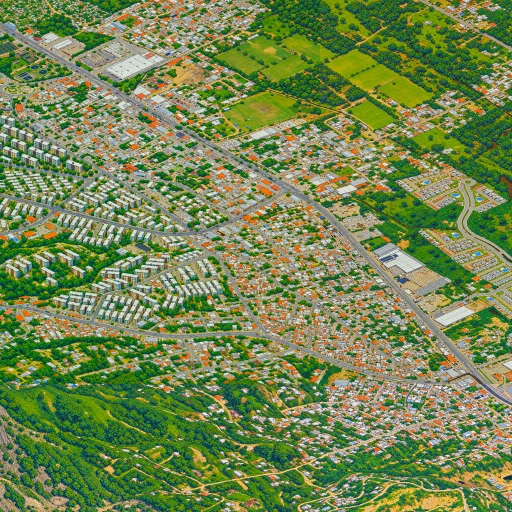
It was built to meet Acapulco's housing shortage of the 1970s, as part of a national housing policy for workers. Work began in 1977, the first stage was finished in early 1978 and the estate kept growing through the eighties.1, 2
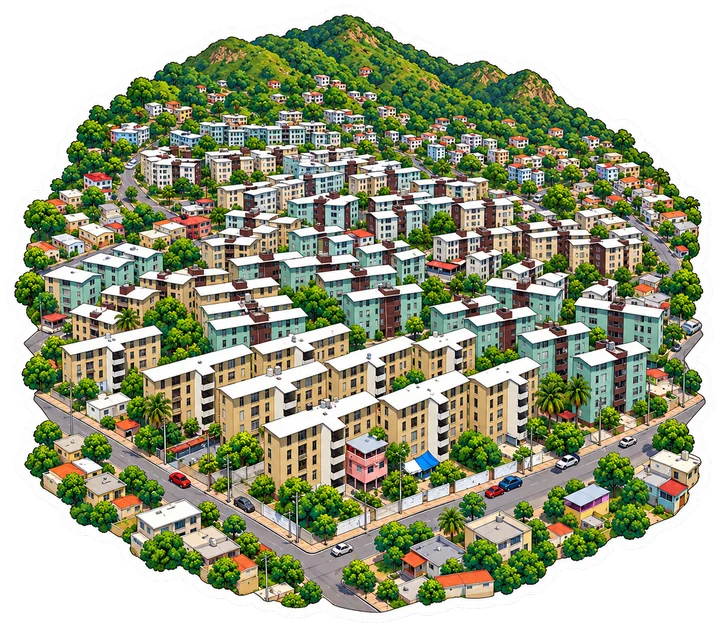
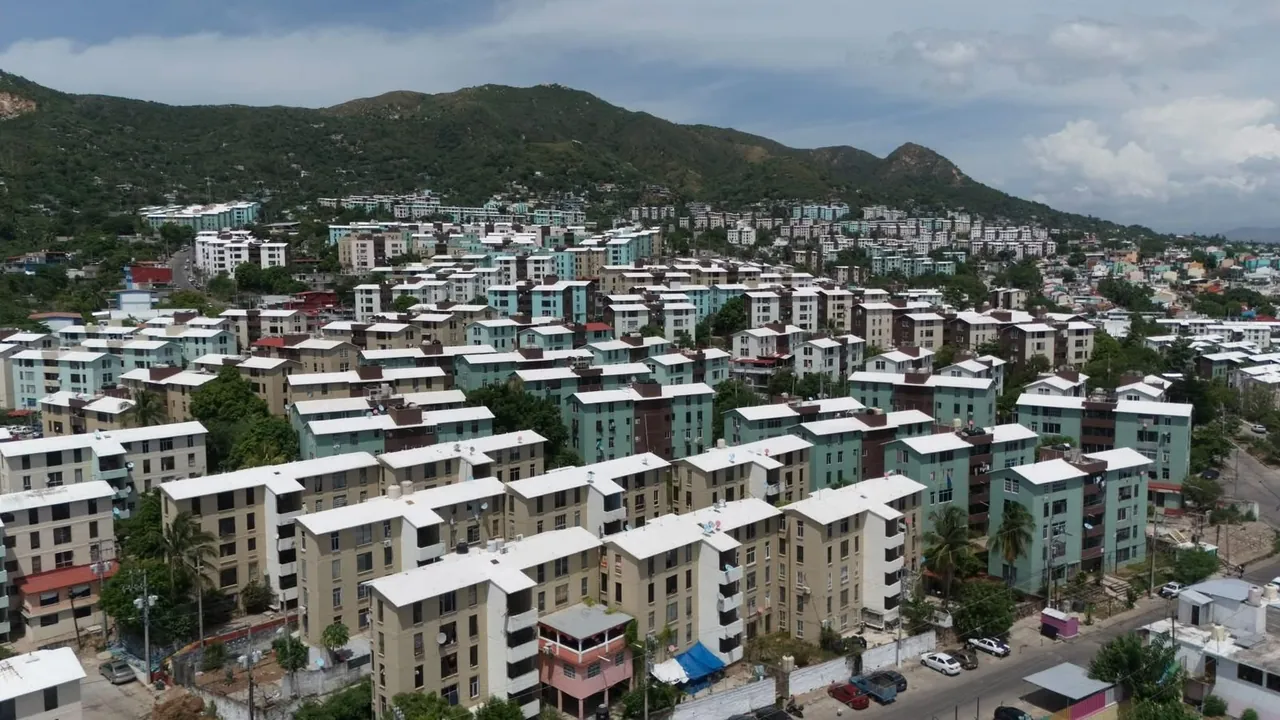
It was planned as a complete neighbourhood, with a market, shops, schools and green areas. It has duplex and triplex houses and five-storey apartment blocks, mostly with two bedrooms, and its residents are mainly hotel and tourism workers.1, 2
Over the years, lack of maintenance, water shortages and irregular growth up the hillsides changed its face. After Otis, in 2023, thousands of residents went days without water or food; the area showed its vulnerability and also its residents' ability to organise.1, 2, 3
Fun facts
- It is counted among the largest housing estates in Latin America; figures of about 20,000 homes and over 100,000 residents are cited.1, 2
- There are two stories behind its name: the nearby old El Coloso hacienda, or the sheer size of the project.1
- Piedra Roja is its best-known meeting point.2
Nearby
Sources checked September 2026
- El Coloso, 45 años de anarquía y abandono — El Sol de Acapulco (opens in a new tab)
- El Coloso: de emblema de vivienda social a símbolo de los retos urbanos — El Sol de Acapulco (opens in a new tab)
- Miles en la unidad habitacional El Coloso siguen sin agua y víveres tras impacto de Otis — El Sol de Acapulco (opens in a new tab)
Drawn from Google 3D imagery · Areas and places © OpenStreetMap